Essential Nutrition Guide for Optimal Workout Performance
- paulmichaelfilm
- 2 days ago
- 4 min read

Achieving peak performance during workouts is not solely about the time spent in the gym or on the field. Nutrition plays a crucial role in fueling your body, enhancing recovery, and maximizing your results. Whether you are a seasoned athlete or a fitness enthusiast, understanding the essentials of nutrition can significantly impact your workout performance. This guide will explore the key components of nutrition that can help you reach your fitness goals.
Understanding Macronutrients
Macronutrients are the nutrients your body needs in larger amounts to function effectively. They include carbohydrates, proteins, and fats. Each macronutrient plays a unique role in supporting your workout performance.
Carbohydrates
Carbohydrates are the primary source of energy for your body, especially during high-intensity workouts. They are stored in your muscles and liver as glycogen, which is readily available for energy during exercise.
Types of Carbohydrates:
- Simple Carbohydrates: Found in fruits, honey, and dairy products. They provide quick energy.
- Complex Carbohydrates: Found in whole grains, legumes, and vegetables. They offer sustained energy.
Recommendation: Aim for 45-65% of your daily caloric intake from carbohydrates. Focus on whole, unprocessed sources for the best results.
Proteins
Proteins are essential for muscle repair and growth. After a workout, your muscles need protein to recover and rebuild.
Sources of Protein:
- Animal-Based: Chicken, fish, eggs, and dairy.
- Plant-Based: Lentils, beans, tofu, and quinoa.
Recommendation: Consume 10-35% of your daily calories from protein. A good rule of thumb is to aim for 1.2 to 2.0 grams of protein per kilogram of body weight, depending on your activity level.
Fats
Fats are vital for hormone production and nutrient absorption. They provide a concentrated source of energy, especially during low-intensity workouts.
Healthy Fats: Avocados, nuts, seeds, and olive oil.
Recommendation: Aim for 20-35% of your daily caloric intake from fats, focusing on unsaturated fats for optimal health.
Micronutrients Matter
While macronutrients are crucial, micronutrients—vitamins and minerals—are equally important for overall health and performance. They support various bodily functions, including energy production and muscle contraction.
Key Micronutrients for Athletes
Iron: Essential for oxygen transport in the blood. Found in red meat, beans, and spinach.
Calcium: Important for bone health and muscle function. Found in dairy products, leafy greens, and fortified foods.
Vitamin D: Supports calcium absorption and immune function. Obtained from sunlight, fatty fish, and fortified foods.
Recommendation: Ensure a varied diet rich in fruits, vegetables, whole grains, and lean proteins to meet your micronutrient needs.
Hydration: The Overlooked Essential
Staying hydrated is crucial for optimal workout performance. Even mild dehydration can impair your physical performance and recovery.
Hydration Guidelines
Before Exercise: Drink 16-20 ounces of water 2-3 hours before working out.
During Exercise: Aim for 7-10 ounces of water every 10-20 minutes during your workout.
After Exercise: Rehydrate with 16-24 ounces of water for every pound lost during exercise.
Tip: Monitor your urine color; pale yellow indicates proper hydration, while dark yellow suggests dehydration.
Timing Your Nutrition
When you eat can be just as important as what you eat. Proper timing can enhance your performance and recovery.
Pre-Workout Nutrition
Fueling your body before a workout is essential for optimal performance. Aim to eat a balanced meal 2-3 hours before exercising, including carbohydrates and protein.
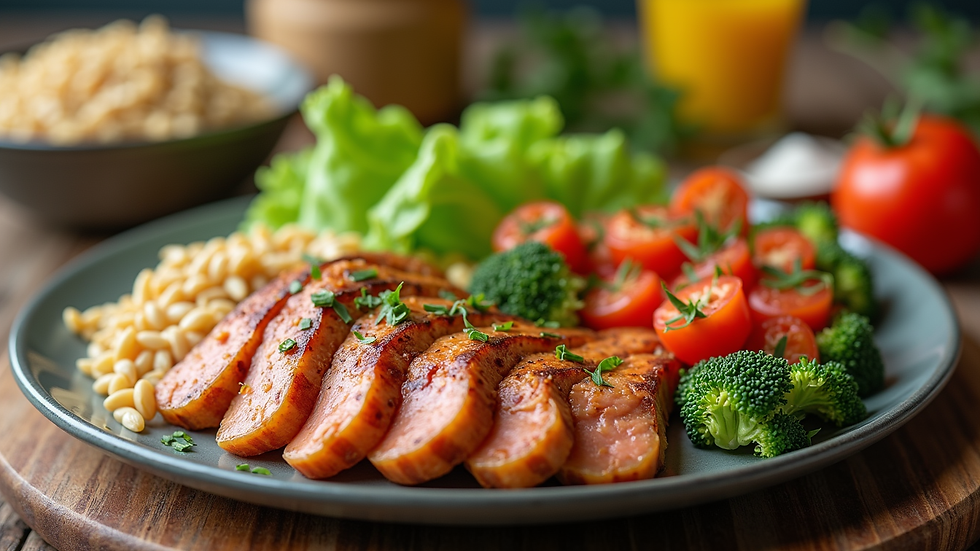
Example Meal: Grilled chicken with brown rice and steamed broccoli.
If you need a quick snack closer to your workout (30-60 minutes prior), opt for something easily digestible, like a banana or a small protein shake.
Post-Workout Nutrition
After exercising, your body needs nutrients to recover. Focus on consuming a meal or snack that includes both protein and carbohydrates within 30-60 minutes post-workout.
Example Snack: Greek yogurt with mixed berries and a drizzle of honey.
Special Considerations for Different Goals
Your nutritional needs may vary based on your fitness goals, whether it’s building muscle, losing weight, or improving endurance.
Building Muscle
If your goal is to gain muscle mass, focus on a higher protein intake and ensure you are in a caloric surplus. Incorporate strength training and prioritize recovery.
Losing Weight
For weight loss, create a caloric deficit while maintaining a balanced intake of macronutrients. Focus on whole foods and avoid processed snacks.
Improving Endurance
Endurance athletes should prioritize carbohydrates to fuel long workouts. Incorporate electrolyte-rich drinks during extended sessions to maintain hydration and energy levels.
Supplements: Are They Necessary?
While a well-balanced diet should provide most of the nutrients you need, some individuals may benefit from supplements. However, they should not replace whole foods.
Common Supplements
Protein Powder: Convenient for meeting protein needs.
Creatine: May enhance strength and muscle mass.
BCAAs: Can help reduce muscle soreness and improve recovery.
Recommendation: Consult with a healthcare professional before starting any supplement regimen.
Conclusion
Nutrition is a powerful tool that can enhance your workout performance and overall health. By understanding the roles of macronutrients, micronutrients, hydration, and timing, you can optimize your diet to support your fitness goals. Remember, every body is unique, so listen to your own needs and adjust your nutrition accordingly. Start making small changes today, and watch how they positively impact your workouts and recovery.
Take charge of your nutrition and fuel your body for success!


Comments